
Tuscany Travel Guide: Best Things to Do in Tuscany
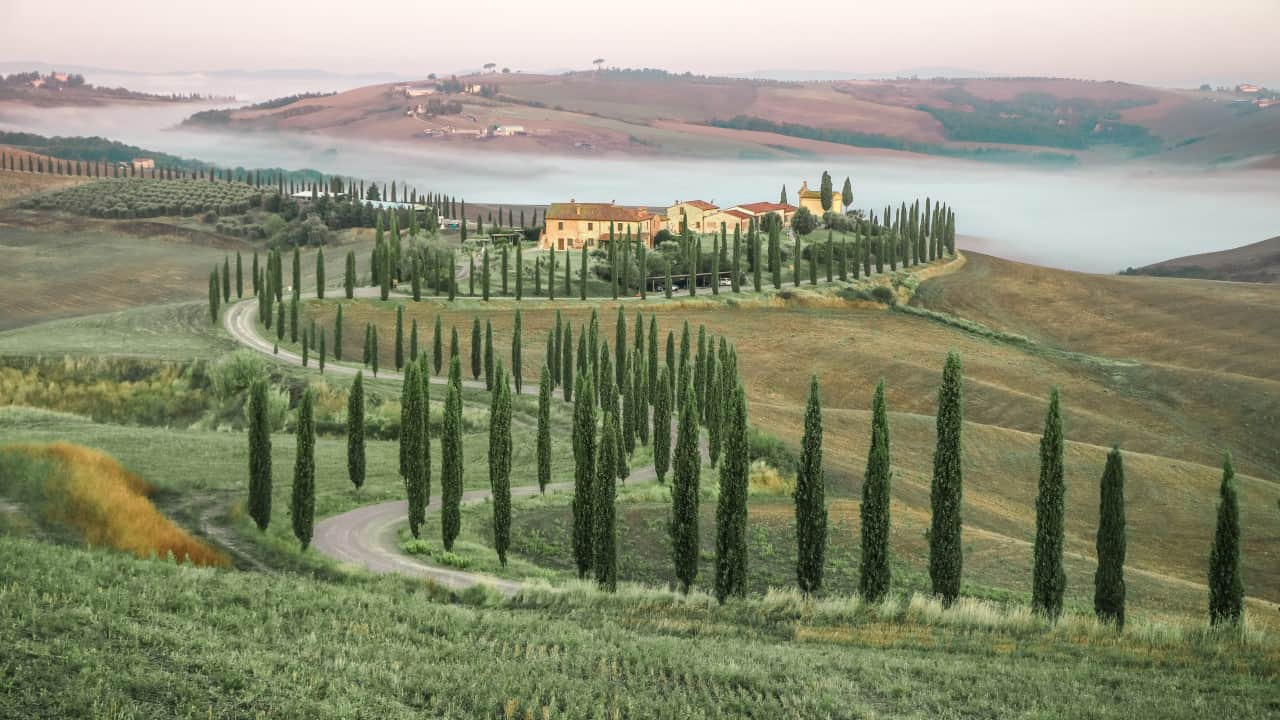
Cypress-lined winding roads, great wines, and Renaissance cities full of history – that’s what most people associate with Tuscany when they think of this beautiful region in Italy. But Tuscany offers so much more. From picturesque medieval hill towns to unique thermal springs to unparalleled landscapes – Tuscany has it all!
In this travel guide, I’m sharing the highlights of this charming Italian region with you, including the best things to do in Tuscany and the top places to visit in Tuscany. It also features the best tours and useful information for planning your trip. A visit to Tuscany should definitely be on everyone’s bucket list!
Disclosure: This blog post contains affiliate links. I may receive a small commission for purchases or bookings made through these links, at no extra cost to you. I only recommend products and services that I’ve personally used and genuinely like. By using my links, you help support my blog and allow me to continue creating helpful free travel guides like this one, while probably funding my next cappuccino or gelato along the way. For more info, please read the privacy policy.
Tuscany Travel Guide – Quick Tips
Dive right into my top picks for hotels, tours, places to visit, insider tips, and more, and make the most of your time in Tuscany. Your journey starts here!
🛏️ Best Places to Stay
- La Terazza Sul Duomo B&B – stylish B&B in Florence with stunning Duomo views from the rooftop terrace
- Hotel Lungarno – elegant luxury hotel on the Arno with iconic Ponte Vecchio views
- Palazzo Gaddi – historic city hotel in Florence with classic Florentine character
- Tenuta Sant’Ilario – peaceful countryside agriturismo surrounded by vineyards, between Florence and Siena
- Agriturismo La Pievina – scenic countryside stay in Montepulciano with an infinity pool and sunset views
🗺️ Travel Planning Tips
- Best Time to Visit | April to October
- How to Get Around | Rental Car, Train
- Top Places to Visit | Florence, Siena, San Gimignano, Hot Springs of Saturnia, Val D’Orcia
- Insider Tips | Pitigliano, Bagni San Filippo
- Stay Connected | Get your Europe eSIM 📱
🌟 Best Tours & Experiences
- 🌟 Highlights of Tuscany Day Trip (Siena, Chianti, San Gimignano and Pisa)
- 🍇 Chianti Wine Tasting Tour (my top tip!)
- 🍝 Traditional Italian Cooking Class (the best Tuscany food experience)
- 📸 Florence Private Photoshoot (a beautiful keepsake from your trip!)
Keep reading for my full Tuscany travel guide!
How to Get to Tuscany & How to Get Around
If you’re traveling to Tuscany from another European country, driving is often one of the easiest and most enjoyable ways to arrive. Tuscany is very well connected by road, and having your own car from the start gives you complete flexibility to shape your itinerary at your own pace.
If you’re coming from farther away, flying is usually the most practical option. Tuscany’s two main international airports are Florence Airport and Pisa International Airport. Both work well as arrival points, depending on where you plan to begin your trip.
Once you’re in Tuscany, I genuinely think renting a car is the best way to explore the region. Some of Tuscany’s most memorable places are small hill towns, countryside wineries, and rural stays that are difficult to reach by public transport.
Driving also turns the journey itself into part of the experience, because some of the roads here are just as beautiful as the destinations. If you’re planning to visit places like the Val d’Orcia, wine regions, or smaller villages, a car will make your trip much easier.
🚘 MY GO-TO CAR RENTAL COMPANY: DISCOVER CARS
When booking a rental car online, I personally recommend and always use Discover Cars. The platform compares both major international car rental companies and smaller local agencies, which often helps find better deals. Plus, there are no hidden costs and they offer free cancellation if your plans change. I typically opt for full coverage since the rates are very reasonable and it gives extra peace of mind while traveling.
That said, if your itinerary focuses mainly on cities like Florence, Siena, and Pisa, trains are reliable and simple to use. Tuscany’s main cities are well connected, and guided day tours can also be a very convenient option if you don’t want to drive.
💡 Tip: If you’re skipping the car, make sure to check out my guide to the best Tuscany day trips from Florence without a car.
Best Time to Visit Tuscany
The best time to visit Tuscany is during the shoulder seasons, from April to May and again from September to October. These months usually offer the best balance of pleasant weather, manageable crowds, and ideal conditions for sightseeing.
Spring is especially lovely if you want to enjoy Tuscany’s countryside when everything is green and in bloom. Temperatures are comfortable, and popular towns still feel relaxed compared to the busy summer months.
Early fall is another excellent time to visit, especially if wine experiences are high on your list. September is harvest season across many of Tuscany’s wine regions, which means it’s one of the best months for vineyard visits, wine tastings, and local harvest events.
We’ve visited Tuscany once in May and once in September, and both trips were excellent in terms of weather and overall atmosphere. Even at major attractions, it felt far more enjoyable than peak summer, when many places can get very busy.
If you’re deciding between spring and fall, I’d say spring is ideal for scenery and sightseeing, while fall has a slightly more atmospheric feel thanks to the wine season and golden countryside colors.
Where to Stay in Tuscany
Based on what you would like to see, you can decide which option works best for you. The next part of this Tuscany travel guide covers the region’s highlights as well as the best things to do in Tuscany, helping you decide where to stay, depending on what places you personally don’t want to miss.
Where you should stay in Tuscany depends largely on what you want to see and how fast you want to move around. If your itinerary focuses on one part of the region, staying in a single base and taking day trips can work very well. If you want to cover several different areas, splitting your stay often makes the trip much easier and saves a lot of driving time.
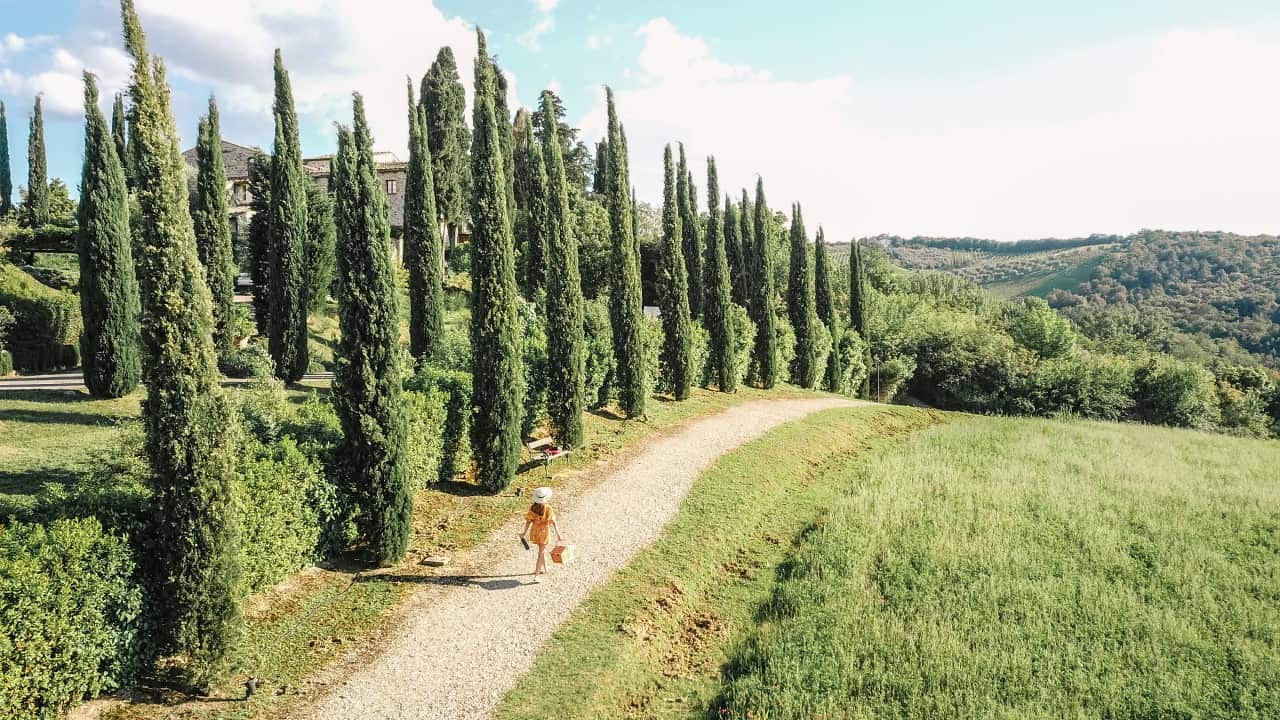
We’ve done both, and each option worked well for different types of trips. During our first visit, we stayed at a charming countryside agriturismo located between Florence and Siena. It turned out to be an excellent base for exploring both cities, as well as the Chianti wine region, San Gimignano, and Volterra. For a first Tuscany trip, this kind of central location makes planning very easy.
On our second trip, we split our stay between three different places: Florence, Montepulciano, and Manciano. This gave us much easier access to the Val d’Orcia, Bagni San Filippo, Terme di Saturnia, and Pitigliano without long daily drives.
The best choice really comes down to your priorities. If this is your first time in Tuscany, either Florence or one central countryside stay can be very practical. If you already know which corners of Tuscany you don’t want to miss, dividing your stay can make the trip feel much more relaxed.
The next part of this Tuscany travel guide covers Tuscany’s highlights and best experiences, which should help you decide which area fits your itinerary best. You’ll also find links to all the hotels we stayed at near the end of this article.

Best Things to Do in Tuscany
Tuscany has no shortage of memorable places, but what makes the region special is how varied the experience feels from one stop to the next. You can spend one day exploring Renaissance art in Florence, the next tasting wine in Chianti, and then drive through quiet countryside roads toward medieval hill towns and thermal springs.
Some places are obvious first-time highlights, while others are the kind of spots that end up surprising you the most once you’re there. Below are the Tuscany experiences I think are most worth prioritizing when planning your trip.
10 Best Things to Do in Tuscany at a Glance:
- Visit Florence, Tuscany’s Renaissance capital
- Go wine tasting in Chianti
- Wander through the historic streets of Siena
- Visit the small hill town of San Gimignano
- Explore Volterra for a quieter medieval experience
- Take the classic photo at the Leaning Tower of Pisa
- Step back in time in Pitigliano
- Take a dip in the thermal waters of Terme di Saturnia
- Relax at Bagni San Filippo
- Drive through the Tuscan landscapes of Val d’Orcia
If you have limited time, I’d recommend combining a few major cities with one or two countryside highlights. That mix gives you the full Tuscany experience without trying to fit in too much.
What to Do in Tuscany in Detail:
1. Visit Florence, the Renaissance City
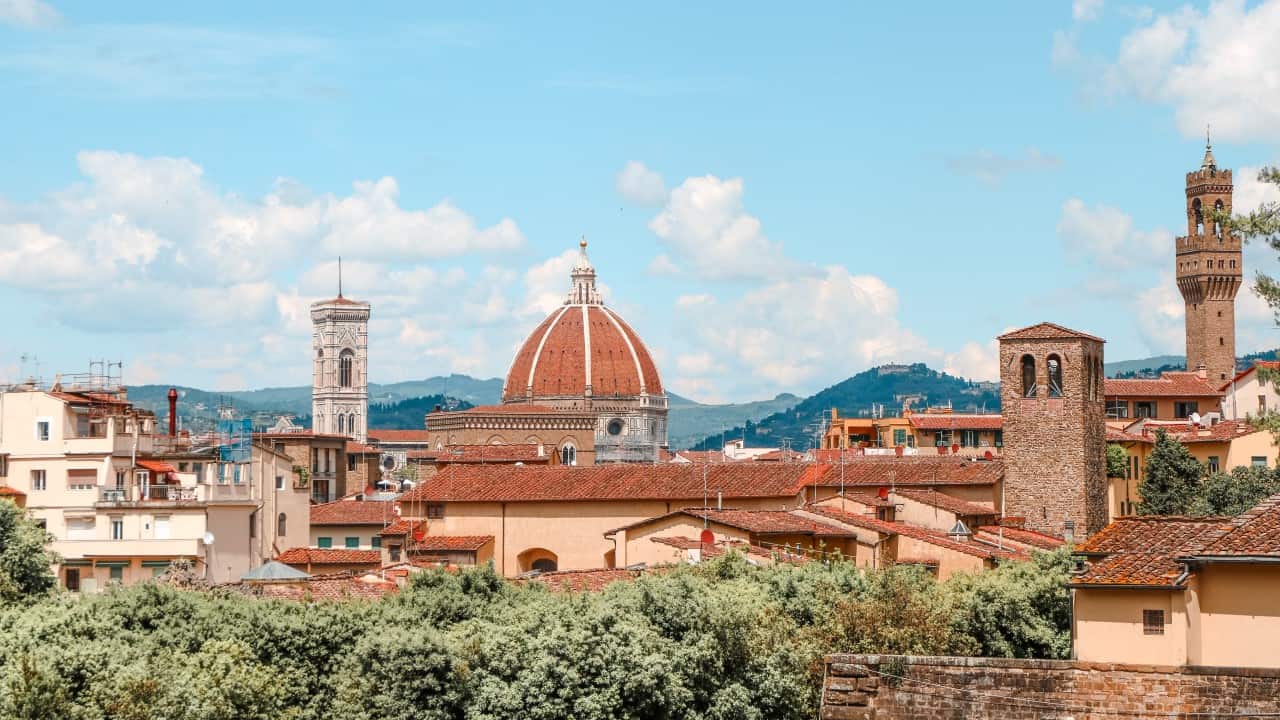
Florence, also known as the birthplace of the Renaissance, definitely should be on everyone’s itinerary when visiting Tuscany. This charming city boasts some of the most impressive historical buildings and magnificent arts.
Make sure to visit the stunning Duomo of Santa Maria del Fiore, which is a masterpiece of Italian architecture. The cathedral and Brunelleschi’s Dome belong to the absolute highlights of Florence, therefore the ticket lines are oftentimes very long (hours of waiting!!). I recommed getting skip-the-line-tickets in advance, so you don’t waste any time standing in line. In my opinion, it’s better to use the time saved to enjoy an Aprol Spritz on the Piazza del Duomo. 😉
From the Piazza del Duomo, stroll through the historic streets to the Piazza della Signoria where you can find the Palazzo Vecchio, the Fountain of Neptune, and the Uffizi Gallery. If you have time, join a guided tour to learn more about the history of Florence and the city’s most impressive museums (you will also see Michelangelo’s David).
After the guided tour, cross the iconic Ponte Vecchio with its old shops spanning over the Arno River and enjoy the beautiful Boboli Gardens on the other side of the bridge. For the most beautiful sunset view overlooking Florence head to Piazzale Michelangelo. The view from up there is simply breathtaking!
💡 If you decide to stay in one place during your Tuscany trip and explore the region through day trips, Florence is one of the most practical bases. Many of Tuscany’s most popular guided tours start there, which makes it very easy to see several highlights without renting a car.
If you only have limited time, joining a full-day Tuscany tour can be a very efficient way to cover several iconic places in one day. This Tuscany highlights day trip from Florence includes Siena, Chianti, San Gimignano, and the Leaning Tower of Pisa, which gives you a very good first impression of the region without needing to plan logistics yourself.
Another experience that’s absolutely worth considering while you’re in Tuscany is a traditional Italian cooking class. Florence has plenty of excellent options, from fresh pasta workshops to longer classes that also include market visits or multi-course dinners. It’s one of those activities that’s both genuinely fun and something you’ll probably still talk about once you’re back home.
Below, you’ll find some of the top-rated cooking classes in Florence:
- 🥗 Cooking Class & Lunch at Tuscan Farmhouse (my top tip!)
- 🍝 Pasta Cooking Class in Florence
- 🥘 4-Course Cooking Experience in Florence
2. Go wine tasting in Chianti
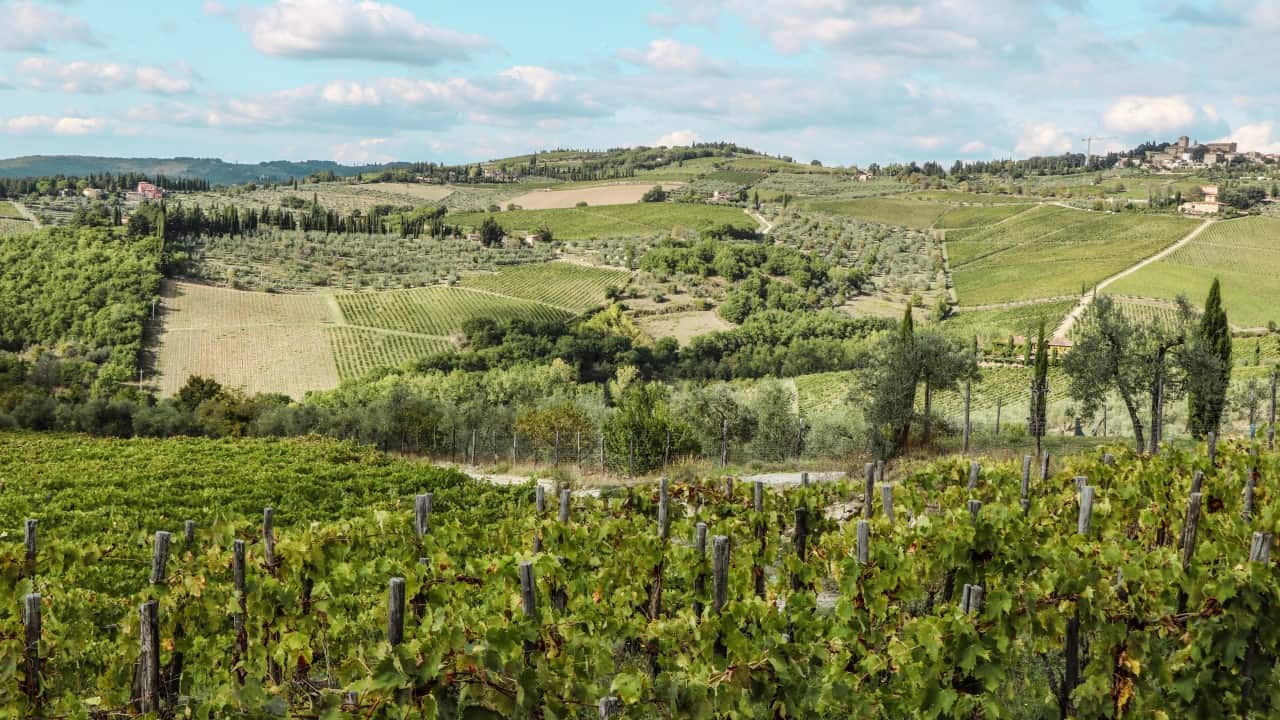
Wine tasting in Chianti is one of the classic Tuscany experiences, and for good reason. This part of the region sits between Florence and Siena and combines vineyard views, small hill towns, and scenic roads that make even the drive feel like part of the day.
One of the best ways to explore Chianti is by following the scenic SR 222, also known as the Chiantigiana road. It’s one of those drives where you’ll want to stop constantly because the views keep changing between vineyards, olive groves, and cypress-lined hills.
Along the route, make time for Greve in Chianti and Radda in Chianti. Both towns are worth a stop, whether you want to walk through a quiet historic center, browse local wine shops, or sit down for a relaxed lunch before continuing.
There are also countless wineries spread across the region, many of which offer wine tastings with vineyard views. It’s the kind of experience that makes slowing down in Tuscany feel very easy. And while wine is the obvious highlight here, this area is also known for excellent olive oil, so it’s worth trying both if you have the chance.
If you’re staying in Florence and don’t want to drive, joining a guided wine tasting tour (we absolutely loved this tour!) is a very easy alternative. Most tours include transport, multiple winery stops, and food pairings, which means you can fully enjoy the tastings without thinking about the road back.
3. Wander through the historic streets of Siena
Siena is located south of Florence and belongs to the most charming cities in Tuscany. Wander the beautiful, old cobblestone streets in-between historic brick buildings. The old town of Siena, in fact, has been declared a UNESCO World Heritage Site.
The heart of the city is the unique, shell-shaped Piazza del Campo. At this bustling piazza, you can also find find Siena’s main points of interest: the Palazzo Publico and the Torre del Mangia, which you can climb for a panoramic view over Siena and the historic center.
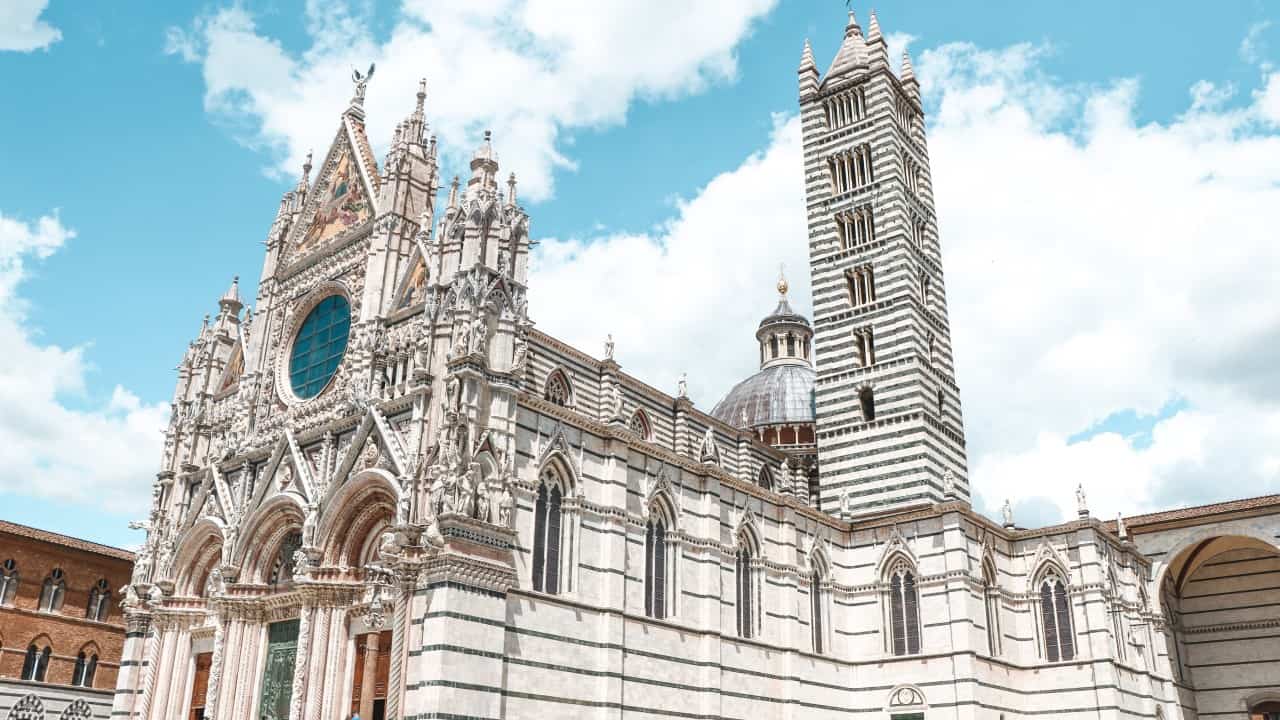
Another must-see is the Cathedral of Santa Maria Assunta with its dramatic black and white striped façade. If you have time, you can join this 2-hour guided walking tour (including skip-the-line-tickets for the Duomo) that will take you to all main attractions of Siena’s historical center.
Don’t skip Siena during your Tuscany trip. It’s easily one of the best places to visit in the region, right alongside Florence. I ended up loving Siena for its character, beautiful architecture, and relaxed atmosphere.
You might also be interested in: 4 days in Cinque Terre
4. Visit the small hill town of San Gimignano
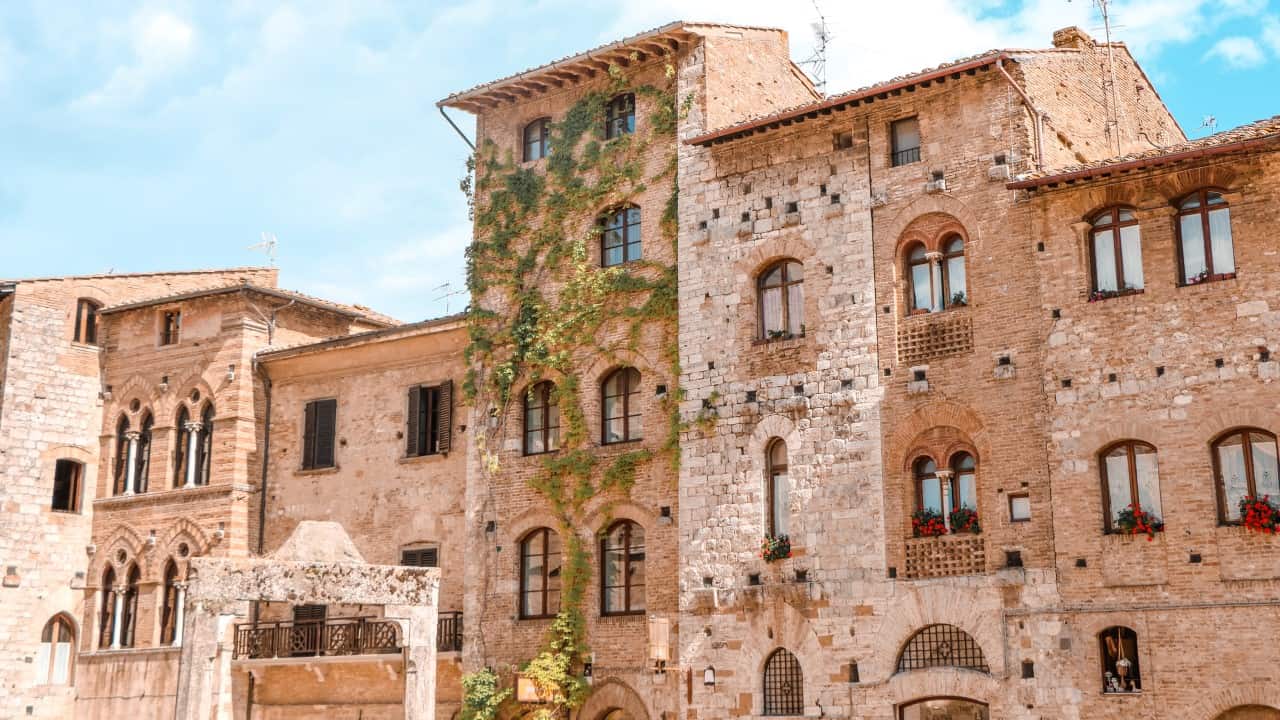
San Gimignano is one of the most beautiful hill towns in Tuscany and a UNESCO World Heritage Site. The picturesque town is also known as the ‘Medieval Manhattan’ and is famous for its medieval architecture and the many iconic ancient towers that create a unique skyline in the middle of the idyllic Tuscan countryside.
Stroll through the winding alleys of San Gimignano and visit the charming main square, the Piazza del Duomo. For magnificent views over San Gimignano and the surrounding Tuscan countryside, you can climb the Torre Grossa. I really loved the unparalleled charm of this medieval hill town. For me, it’s a must-see in Tuscany!
Tip: Head to the Piazza della Cisterna to enjoy an Italian Aperitivo including some snacks. Or if you are hungry, visit a local vineyard for lunch including a wine tasting in a picturesque outdoor setting.
For more information about San Gimignano, check out this comprehensive San Gimignano travel guide.
5. Explore Volterra for a quieter medieval experience
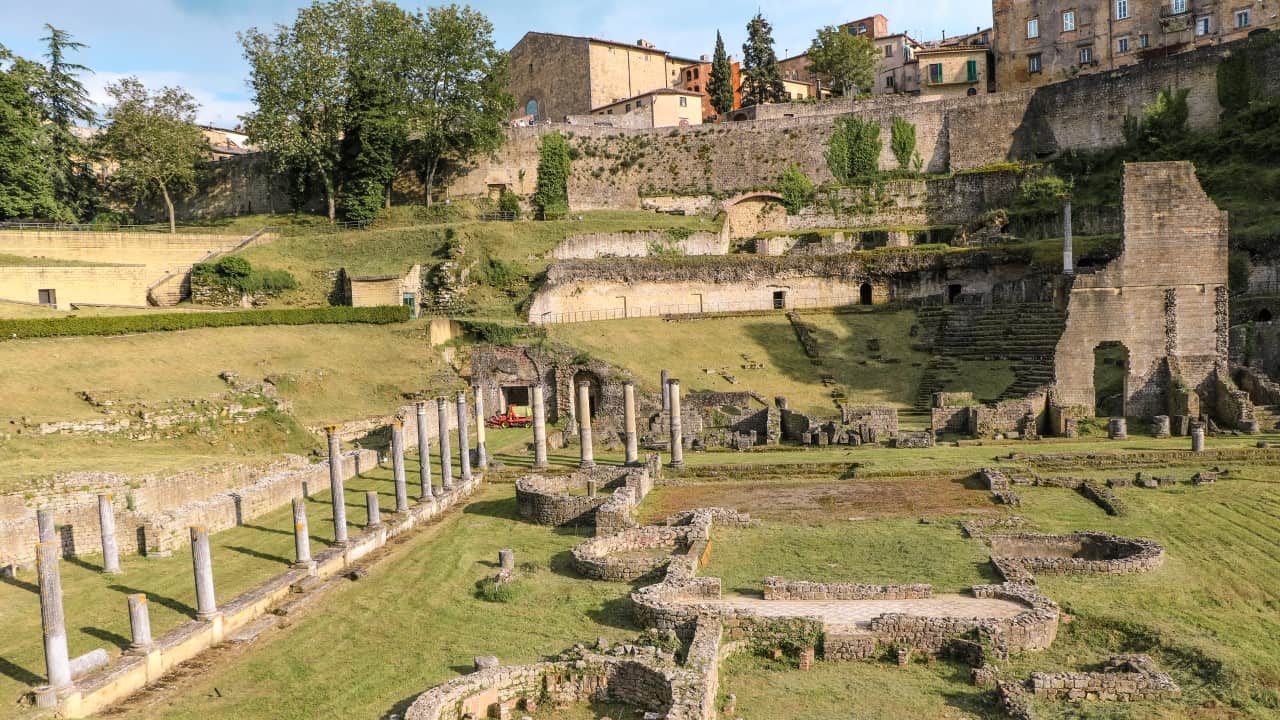
Volterra is a medieval hill town close to San Gimignano. It’s a great choice if you want the atmosphere of a Tuscan hill town without the heavier crowds you often find in San Gimignano. When we visited, it felt noticeably calmer, which made it much easier to simply walk around and enjoy the town at a slower pace.
You may also want to explore: Lake Como in 3 Days
6. Take the classic photo at the Leaning Tower of Pisa
The Leaning Tower of Pisa is by far the most iconic landmark in Pisa and one of the most recognizable sights in all of Italy. It’s undeniably touristy, and yes, you’ll be sharing the square with plenty of people attempting the same classic photo, but it’s still one of those places that feels worth seeing at least once.
The tower stands on Piazza dei Miracoli, where you’ll also find several other important monuments that are worth your time beyond the famous lean. If you want the full experience, take the obligatory funny photo first, then spend a little time walking around the square because the architecture here is genuinely impressive.
If you’d like to climb the tower, booking your ticket in advance is a very good idea. Entry slots are timed, and lines can get long, especially during peak season.
Right next to the tower, you’ll find Pisa Cathedral, which is absolutely worth stepping inside. The interior is beautiful and often ends up being more impressive than visitors expect before arriving. I recommend visiting the Cathedral, Baptistery, and Leaning Tower all together on a guided tour to learn more about the history of these historic buildings.
If you have extra time after Pisa, I’d strongly recommend continuing to Lucca. It’s one of Tuscany’s most enjoyable smaller cities, with a lovely historic center and old walls you can walk or cycle along. Another worthwhile stop nearby is San Miniato, a smaller medieval town known for truffles and a much quieter atmosphere.
💡 For many travelers, Pisa works best as part of a half-day stop combined with one of these nearby towns rather than a full day on its own.

— My Travel Photography Gear —
Camera: Sony A7R III
Allrounder Zoom Lens: Sigma 24-70mm F/2.8
Favorite Lens: Sony FE 35mm F/1.8
Telephoto Zoom Lens: Sigma 100-400mm F/5-6.3
Drone: DJI Mini 3 Pro
GoPro: GoPro Hero11 Black
Phone: iPhone 16 Pro Max
Camera Tripod: Rollei Compact Traveler No. 1 Carbon
Phone Tripod: Lammcou Tripod
As an Amazon Associate I earn from qualifying purchases.
Check out my Presets (photo filters) to edit like me!
To read more about my photography gear, click HERE.
7. Step back in time in Pitigliano
Pitigliano is one of the places in Tuscany that surprised me most. It sits in the far south of the region and still feels like a hidden gem compared to many of Tuscany’s better-known towns, which is exactly part of its appeal.
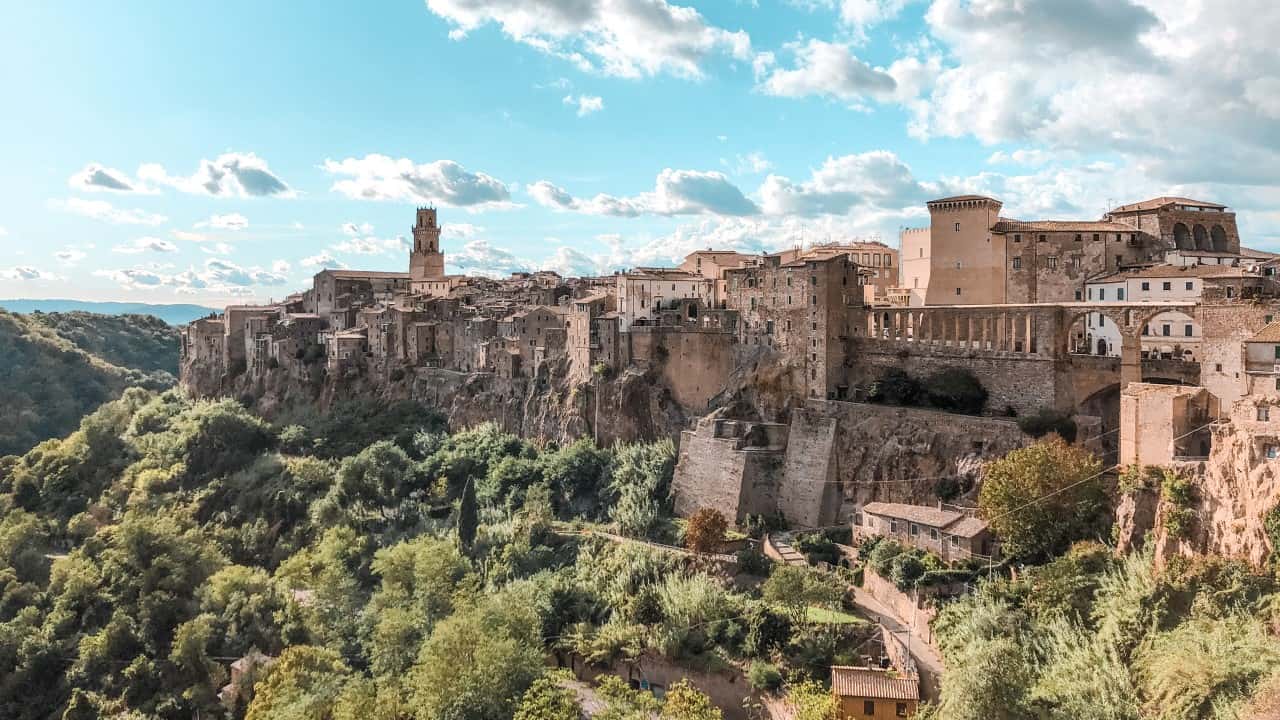
Built dramatically on a tuff rock cliff, Pitigliano has one of the most striking settings in Tuscany. Walking through its narrow medieval lanes genuinely feels like stepping into another era, especially once you move away from the main square and into the quieter side streets.
The town also has a fascinating history. Pitigliano began as an Etruscan settlement and later became home to an important Jewish community, which is why it’s often referred to as Little Jerusalem.
One of the best viewpoints in town is from Piazza della Repubblica, where you can look out across the surrounding countryside. But the most memorable view for me was from Via San Michele, just outside the historic center. The view of Pitigliano rising above the cliff is the kind of scene that makes you stop immediately and just stare for a moment.
This article may also pique your interest: Top Places to Visit in Puglia, Italy
8. Take a dip in the thermal waters of Terme di Saturnia
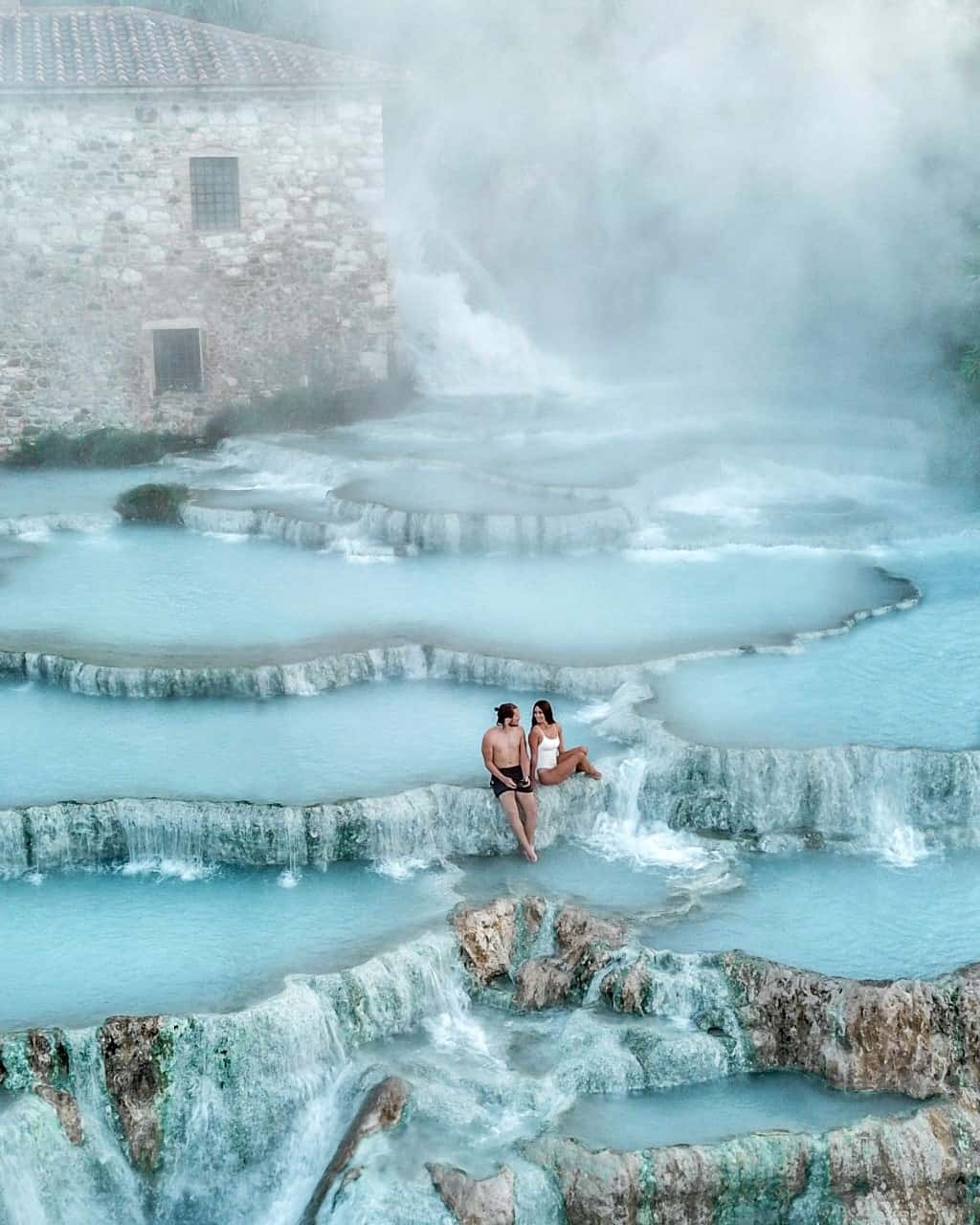
The thermal hot springs of Saturnia, called Cascate del Mulino, are easily one of the most unusual places to visit in Tuscany. These natural thermal pools, fed by warm sulfur-rich water, sit in the middle of the countryside and look almost unreal when you first arrive.
The water flows through a series of small limestone terraces, creating shallow pools where you can sit and relax while warm water continuously runs around you. At around 37°C (98.6°F), the temperature feels perfect, especially in the morning when the air is still cool.
The water here is rich in minerals and sulfur, which is why many people visit for its skin benefits as much as for the experience itself. You’ll definitely notice the sulfur smell right away, although after a few minutes you stop paying attention to it. If you spot tiny red worms in the water, don’t panic. They are harmless and common in these natural springs.
We ended up visiting twice because it really is one of those places that feels difficult to leave once you settle into the warm pools. One of the best things about visiting Cascate del Mulino is that access is completely free, which makes it even more popular.
Because of that, timing matters a lot. Sunrise is by far the best moment to go if you want a calmer experience and softer light. Weekends and summer afternoons tend to be much busier.
Tip: Avoid wearing jewelry in the water because the sulfur can tarnish metals very quickly.
You may also want to explore: Highlights of the Amalfi Coast
9. Relax at Bagni San Filippo
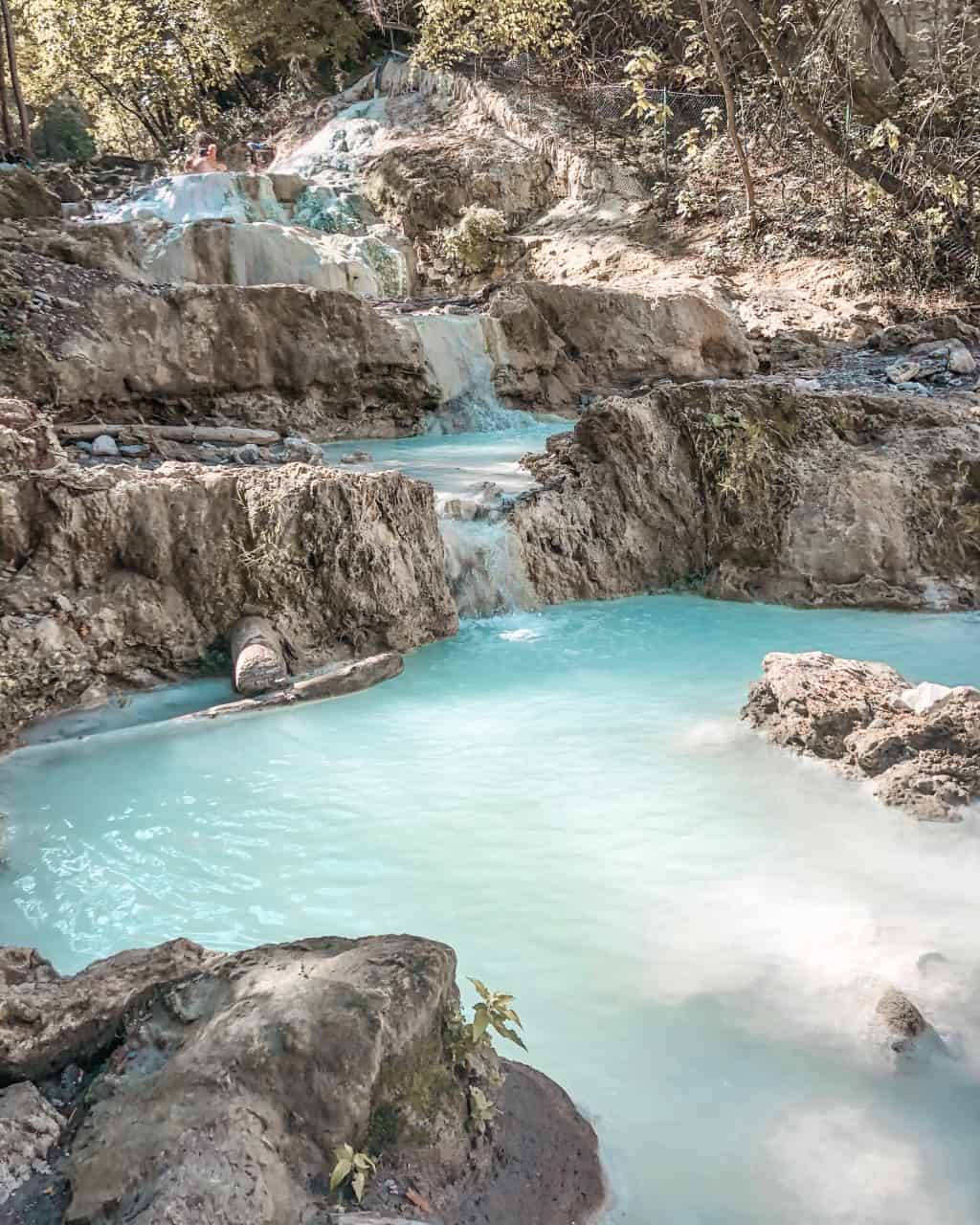
If you prefer a quieter thermal spring experience, Bagni San Filippo is a very good alternative to Cascate del Mulino. Tucked away in a forest setting, it feels more secluded and far less busy, especially outside peak travel periods.
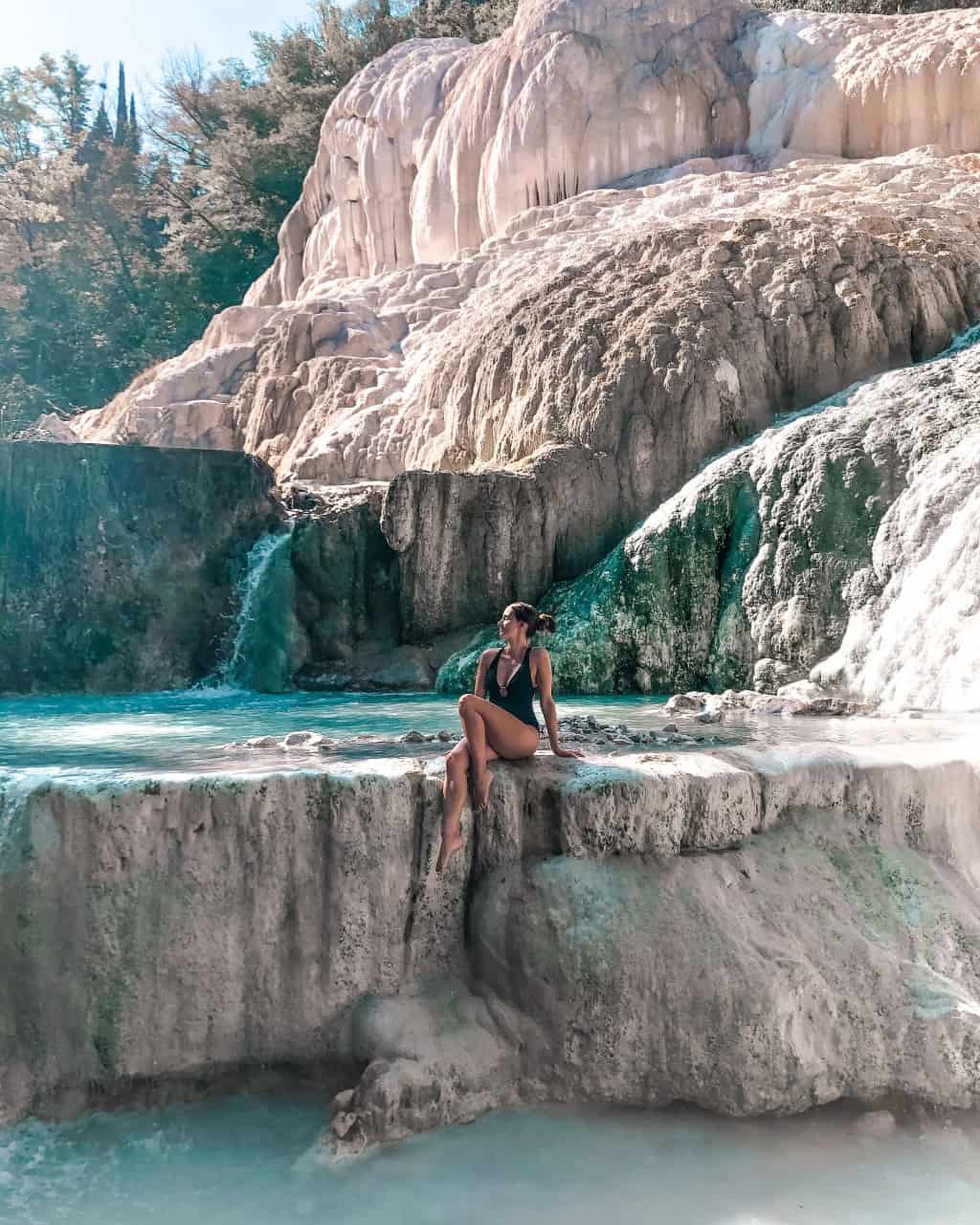
What makes Bagni San Filippo special is how natural it still feels. You reach the springs through a short walk in the woods, and the setting is much more rustic than Saturnia. The water here can reach up to 50°C (122°F) in some areas, although temperatures vary depending on where you enter the pools. Some sections are pleasantly warm, while others are surprisingly hot, which makes moving between different spots part of the experience.
One of the most distinctive sights is the Fosso Bianco, a striking white calcium formation created over time by mineral-rich water. It looks almost unreal against the surrounding forest and is easily the most recognizable feature of Bagni San Filippo.
I personally loved the peaceful atmosphere here. It felt much calmer than Saturnia and had a more hidden, local feel overall. If you’re already exploring southern Tuscany or the Val d’Orcia area, Bagni San Filippo is absolutely worth adding to your route.
10. Drive through the Tuscan landscapes of Val d’Orcia
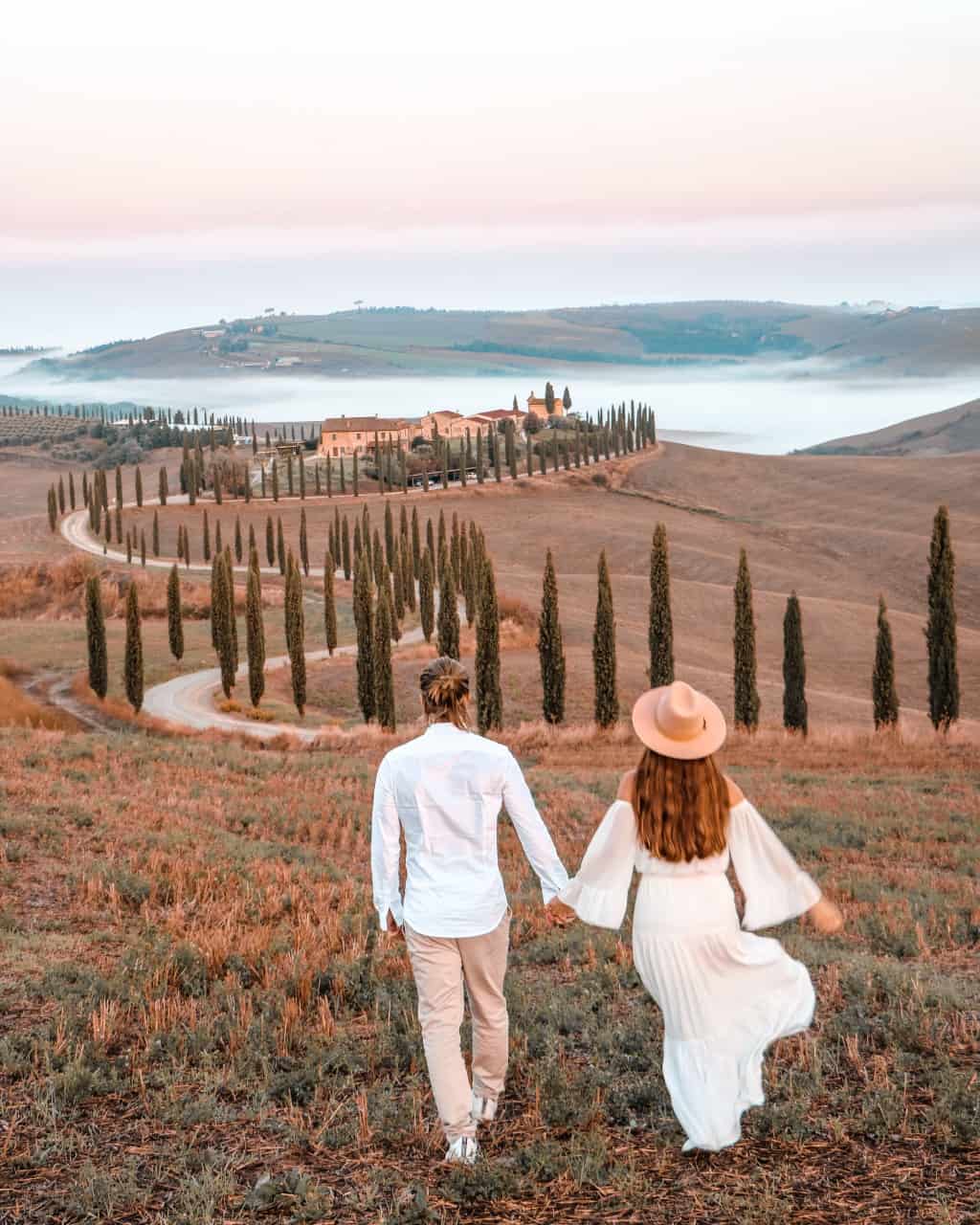
If you picture Tuscany as rolling hills, cypress-lined roads, vineyards, and scattered stone farmhouses, you’re most likely imagining Val d’Orcia. This area in southern Tuscany is the landscape many travelers come here hoping to see, and in reality it really is just as beautiful as expected.
The region is a UNESCO World Heritage Site and one of the most visually striking parts of Tuscany, especially if you enjoy slow drives with frequent photo stops. Val d’Orcia is best explored by car because some of the most memorable views appear between towns rather than inside them. Even short drives here often turn into longer ones because you keep wanting to stop.
For me, driving through this area was one of the most memorable parts of Tuscany. It has that rare kind of scenery that feels almost unreal at times, especially in the softer light of early morning or late afternoon.
While exploring the region, make time for Pienza, Montalcino, and Radicofani. Each town adds something different, whether it’s panoramic views, wine, or a quieter medieval atmosphere.
We stayed in the medieval hilltop town of Montepulciano, which worked extremely well as a base for exploring Val d’Orcia. It’s close to many of the region’s highlights, and the town itself is absolutely worth your time, with beautiful streets, viewpoints, and excellent wine bars. There are so many things to do in Montepulciano.
Where We Stayed:
La Terrazza sul Duomo B&B, Florence
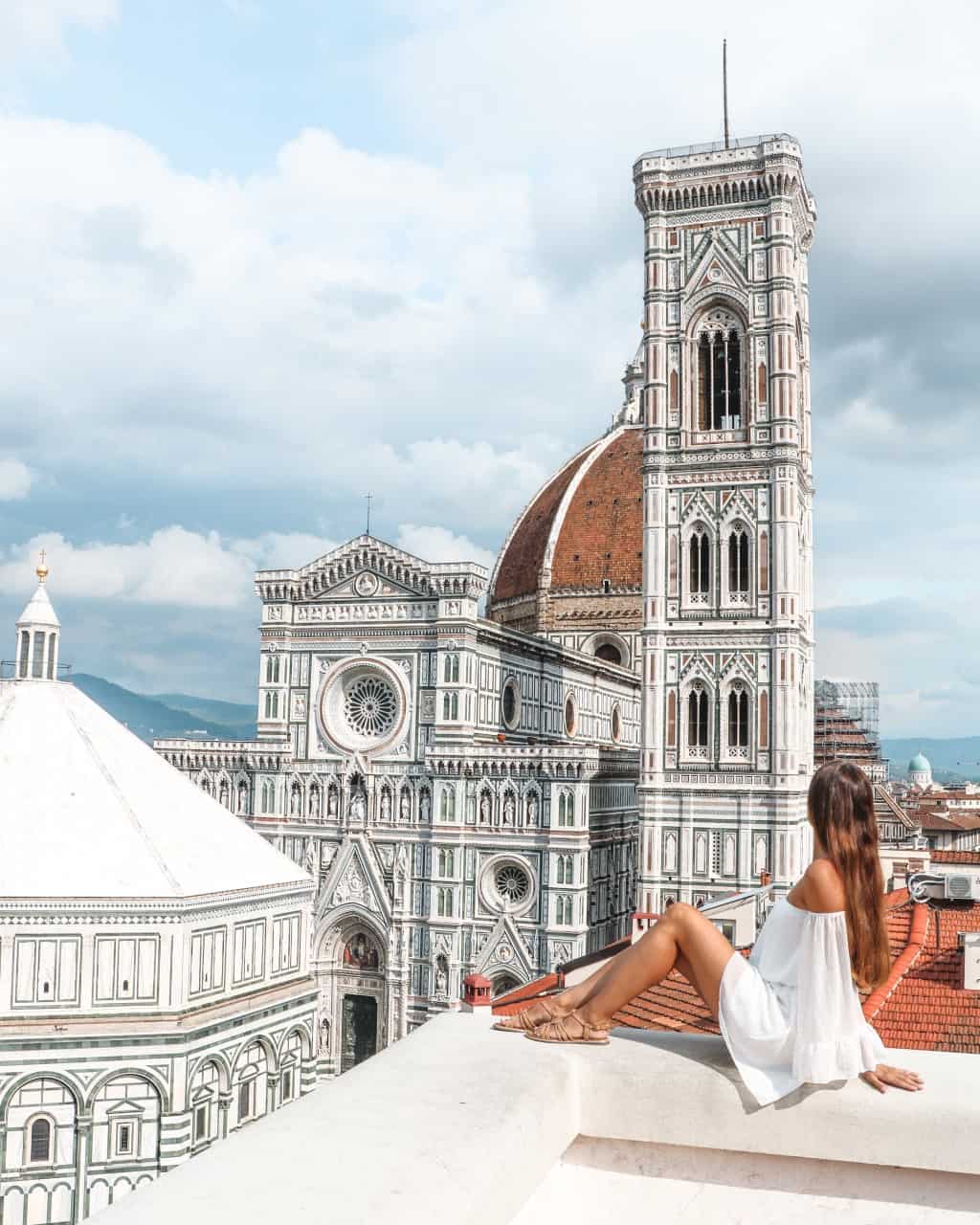
If you want to stay right in the historic center of Florence, just steps from the Duomo, La Terrazzo Sul Duomo is hard to beat in terms of location. What I liked most here was how the rooms combined classic Florentine character with a clean, updated design, which made the stay feel both elegant and comfortable.
The real highlight, though, is the rooftop terrace. The view across Florence’s terracotta rooftops toward the Duomo is genuinely special and easily one of the most memorable parts of staying here. It’s truly breathtaking!
Tenuta Sant’Ilario, Gambassi Terme
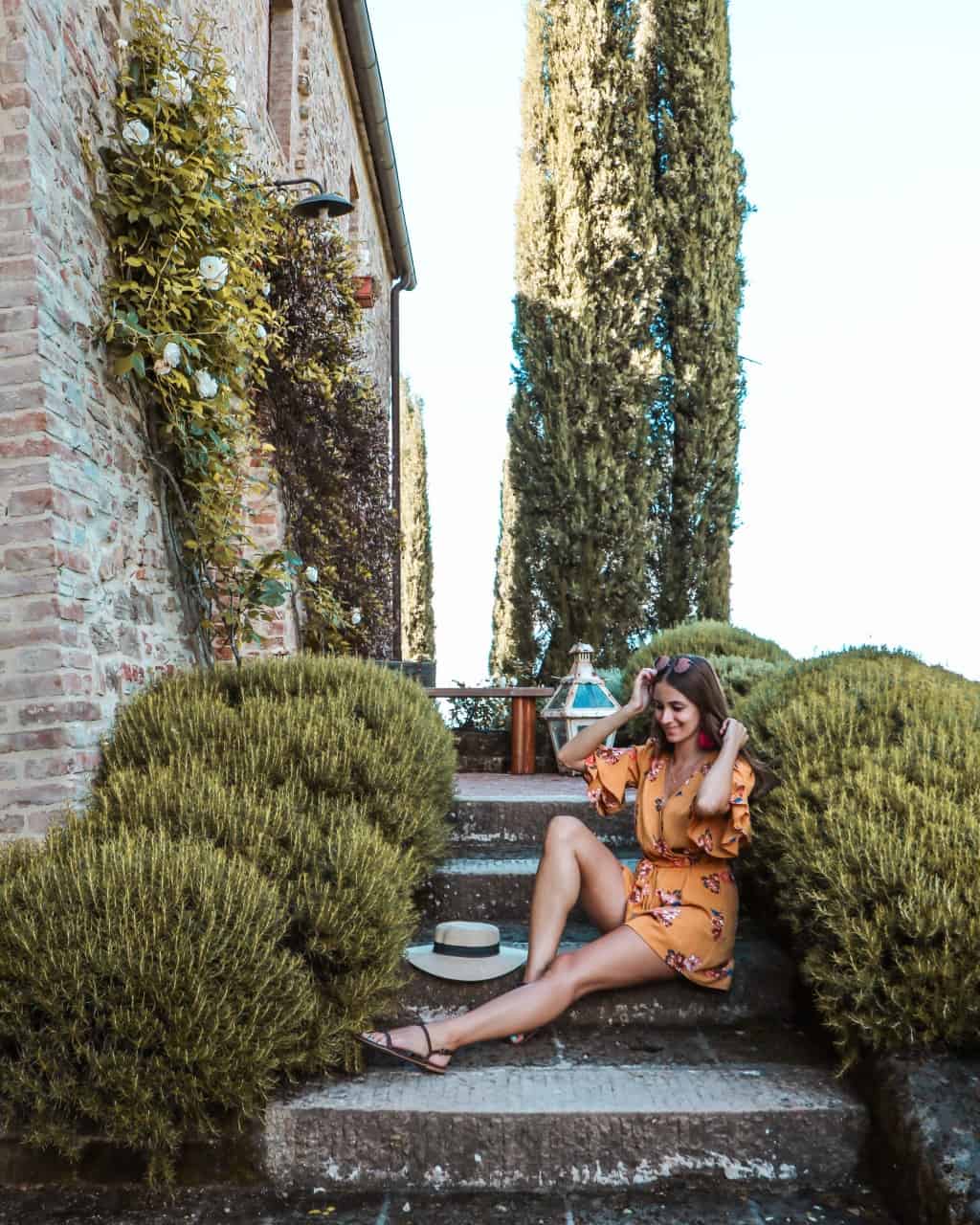
Tenuta Sant’Ilario is surrounded by vineyards and olive groves in the Chianti countryside, perfectly positioned between Florence and Siena. What I loved most here was the peaceful atmosphere and the wide countryside views that immediately make you slow down. Breakfast on the terrace became one of my favorite parts of staying here because the panoramic views are beautiful, especially in the morning light.
The rooms have a classic Tuscan feel, with traditional details that match the character of the property without feeling overly rustic. There is also an outdoor pool set within the garden, which makes it a very pleasant place to return to after a day of exploring Tuscany.
Agriturismo La Pievina, Montepulciano
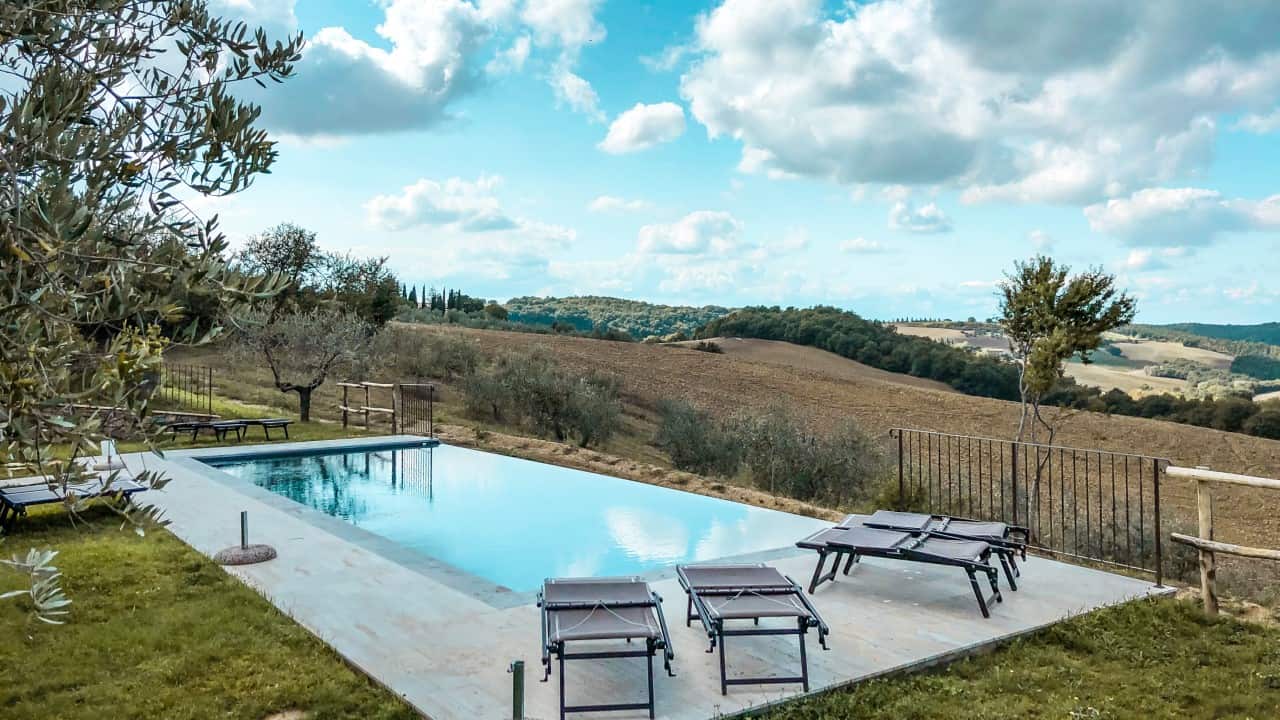
Agriturismo La Pievina is a family-run agriturismo near Montepulciano, surrounded by open countryside with beautiful views across the hills and vineyards. We chose it as our base for exploring Val d’Orcia, and it worked perfectly for that part of the trip.
What stood out most to me here was how peaceful the setting felt. Breakfast was homemade, the infinity pool looked out over the landscape, and sunset each evening made the whole place feel especially memorable. If you’re looking for a countryside stay with classic Tuscan scenery and a relaxed atmosphere, this is a very good option.
Agriturismo Quercia Rossa, Manciano
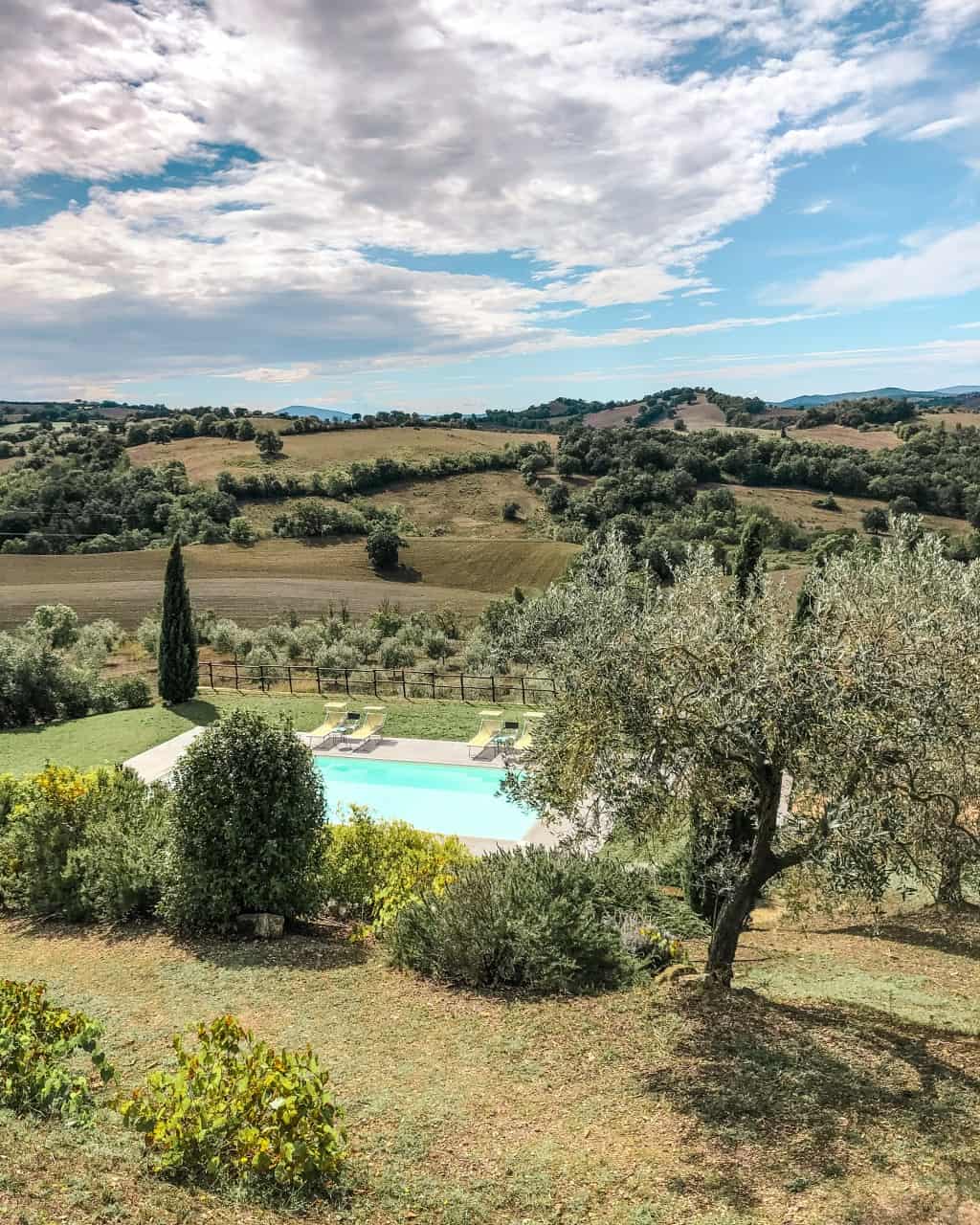
Agriturismo Quercia Rossa is a rural farmhouse near Manciano and worked very well as our base for visiting Cascate del Mulino and Pitigliano. What I remember most about staying here is the openness of the landscape. The views stretch across rolling hills, and the pool area, surrounded by olive trees, makes the setting feel especially peaceful.
The rooms have a traditional, antique character, which gives the property a lot of personality, although for my personal taste they felt slightly more old-fashioned than I usually prefer. Breakfast was excellent, and overall it’s a very good choice if you want a countryside stay in southern Tuscany with easy access to this part of the region.
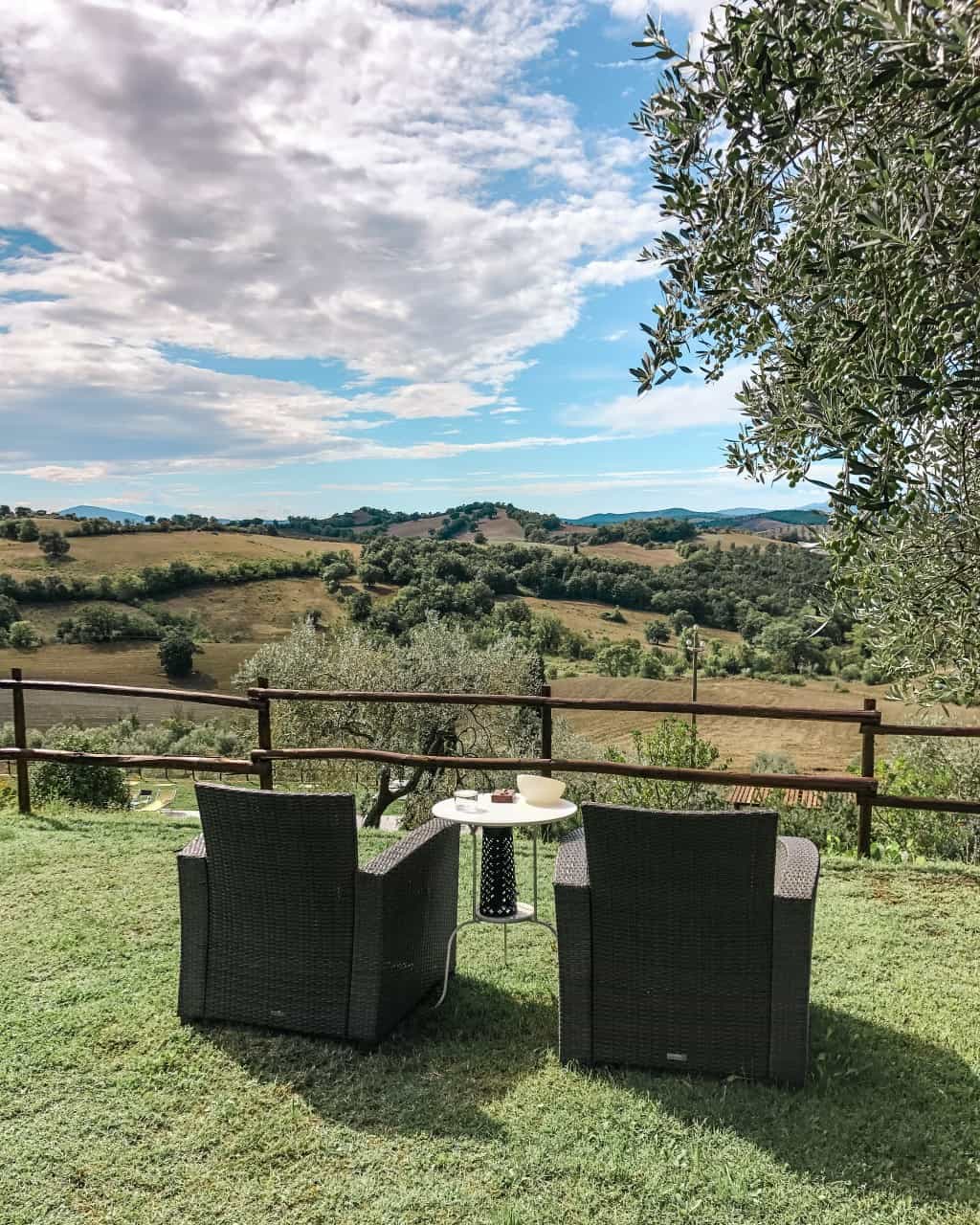
I hope you enjoyed reading this Tuscany travel guide and that it gave you plenty of ideas for planning your own trip. If you have any questions about our experience in Tuscany, feel free to leave them in the comments below.

Want to explore more of Italy? Check out my other Italy travel guides below!
- 10 Best Day Trips from Florence without a Car
- 3-Day Lake Como Itinerary
- Where to Stay in Lake Como Without a Car
- Amalfi Coast Travel Guide & Best Things to Do
- Perfect Sicily Itinerary: 5 Days in Sicily
- Best Places to Visit in Puglia
- Cinque Terre & La Spezia in 4 Days
- Where to Stay in Cinque Terre: Best Towns & Hotels
Like this post? Pin it for later!
Hi
Where would you recommend to stay for both the hot springs ? X
Hi Taneeka, the hot springs (Cascate del Mulino and Bagni San Filippo) are only 75 minutes apart from each other, so you can visit both of them if you stay for example in Manciano (close to Cascate del Mulino). You can find many lovely Agriturismos to stay at in Manciano. We loved it there!
Hi there,
Love your information! This is incredibly helpful 🥰 how / where would you recommend a car rental from?
Hi Mikki, I’m glad you found this blog post helpful. 🙂 If you arrive by air I would recommend renting a car directly at the airport in Pisa or Florence (depending on where you arrive). I always use Discover Cars to compare prices and find the rental car deal.
Loved all the tips. We are staying in Manciano as home base from July 20th to 27th and plan on getting a driver for a few day trips. My understanding is you need a car in that town as there are not taxis. What were some of your favorite wineries as day trips if you have some recommendations?
Hi Taylor, I just saw your comment. Unfortunately, we personally didn’t visit any wineries close to Manciano yet. But I heard that Tenuta Montauto and Fattoria La Maliosa are great wineries closeby to visit for a wine tasting. I hope you are having a wonderful time in Tuscany!